Starfield is approaching a pivotal moment in its lifecycle as Bethesda prepares to launch the massive Free Lanes update on April 7, 2026. This expansion aims to silence critics who argued the game felt fragmented, introducing a more seamless navigation system that many players have demanded since the original 2023 release. While the studio is hesitant to label this as a ground-up 2.0 overhaul, the introduction of manual space flight via Cruise Mode represents the most significant shift in gameplay logic we have seen to date.
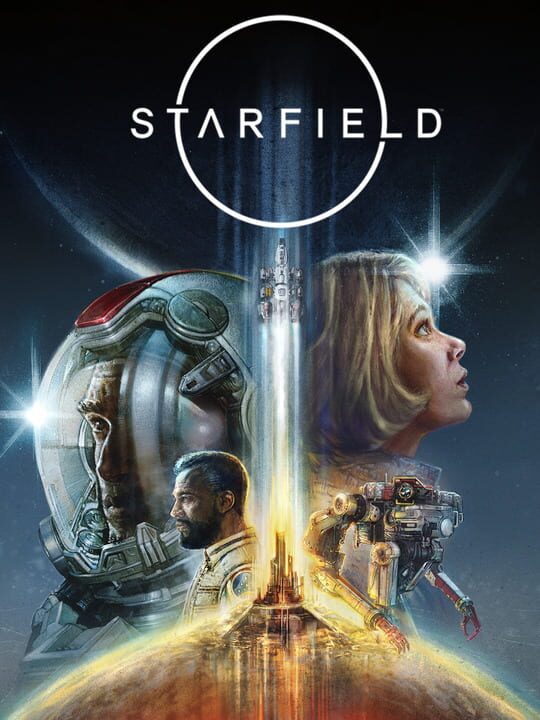
▲ Official Cover Art (Source: IGDB)
The core of the April 7, 2026 update revolves around the concept of manual interstellar travel. Previously, traveling between planets was largely a menu-driven experience, relying on fast-travel jumps that broke immersion. The new Cruise Mode effectively creates a gameplay layer between planetary surfaces and orbit, allowing pilots to manually steer their vessels through star systems. This isn’t just for show; Cruise Mode is populated with unique challenges and radiant events that turn the void of space into a functional gameplay arena rather than a series of loading screens disguised as cutscenes.
| Feature | Details |
|---|---|
| Game Title | Starfield |
| Update Name | Free Lanes |
| Release Date | April 7, 2026 |
| New Location | Anchorpoint Space Port |
| Platform Expansion | PS5 / PS5 Pro (May 2026) |
The Technical Architecture of Starfield and Engine Limitations
To understand why a Cyberpunk-style total transformation is unlikely, one must look at the Creation Engine 3 tech stack. Unlike seamless engines like Rockstar’s RAGE or Unreal Engine 5, Bethesda’s tech is built on a cell-based system. Every building, city, and starship interior is essentially a distinct room in a directory. When you transition from a ship to a planet, the engine flushes the previous environment and loads a new one. This architectural choice is why the dreaded loading screens remain a staple, even in the 2026 version of the game.
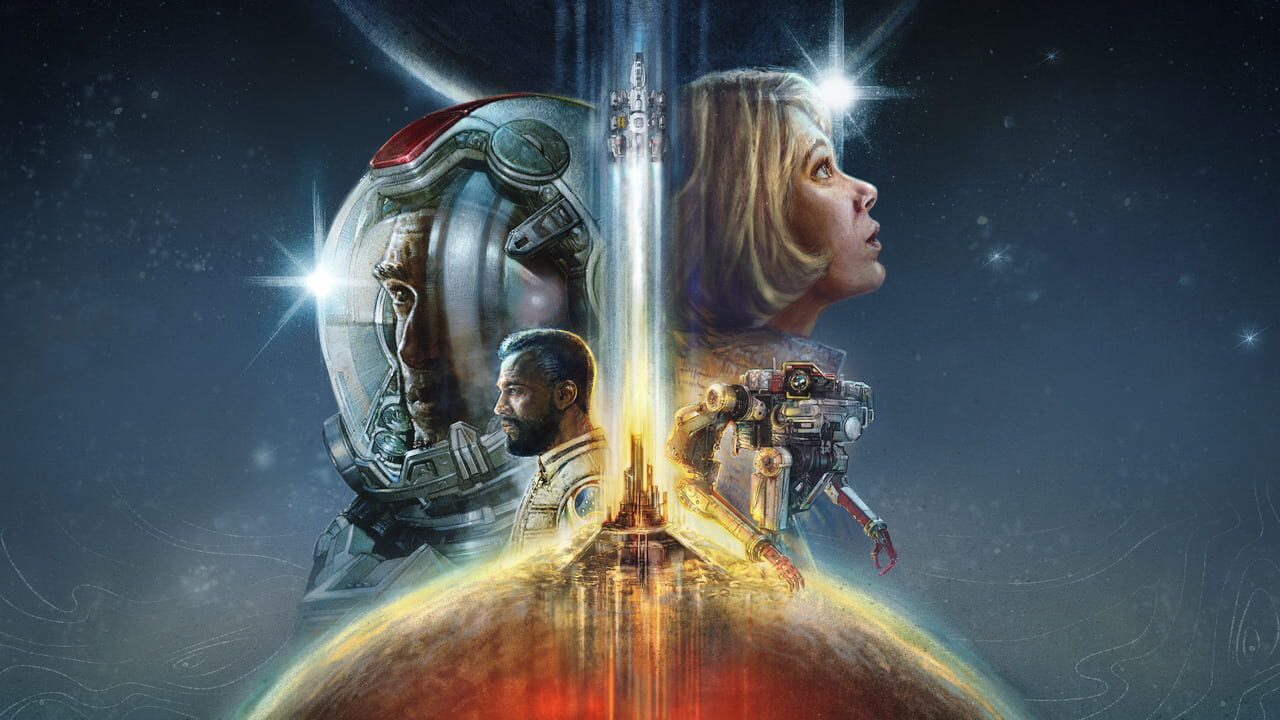
▲ Official Artwork (Source: IGDB)
However, this compartmentalization is also Starfield’s greatest strength for hardcore RPG fans. It allows for the persistence of millions of physics-based items. If you drop a specific coffee mug on a remote moon, the cell-based system ensures that item remains there forever, unlike streaming engines that often despawn assets to save memory. Bethesda is essentially trading the seamlessness of modern open worlds for the granular interactivity that defined Morrowind and Skyrim. The Free Lanes update attempts to mask these technical transitions with more elegant bokeh-dissolve effects, but the underlying structure remains rooted in this classic philosophy.
New Content: From Milliewhales to Colony Wars
Beyond the navigational changes, the April 7 drop brings a surprising amount of personality back to the Settled Systems. The addition of the Milliewhale pet—a six-legged amphibian creature—and the Colony Wars action figures suggests Bethesda is leaning back into the whimsy that made the Fallout series so iconic. These collectibles offer tangible stat boosts, giving players a mechanical reason to hunt for toys across the galaxy’s many outposts. Furthermore, the Anchorpoint space port is set to become the game’s new social hub for freelance missions, addressing the complaint that the existing cities felt too sterile.
Looking ahead, the long-rumored PS5 and PS5 Pro versions are confirmed to drop next month, in May 2026. This is a massive strategic shift for Microsoft, likely intended to recoup the high development costs of the IP. For players, the PS5 Pro version promises the most stable iteration of the game yet, potentially utilizing advanced upscaling to maintain high frame rates even during intense space combat. This expansion to a wider audience could provide the player-base surge needed to sustain the game’s long-term roadmap.
Pulse Gaming Perspective: Starfield finds its soul by embracing its technical scars
The Free Lanes update doesn’t fix the engine, but it finally gives players the manual control they need to feel like actual explorers. By adding ‘Cruise Mode’ and a PS5 Pro port, Bethesda is ensuring that their most ambitious project remains relevant for the next decade, even if it never fully sheds its clunky loading screens.
As we approach the release, it is clear that while Bethesda’s space odyssey may never be the seamless universe some hoped for, it is becoming a more refined version of the ‘Skyrim in Space’ pitch. The technical constraints of the Creation Engine are a hard limit, but the creative solutions found in the official Bethesda developer diaries show a team committed to iterative improvement. Whether this is enough to win back those who bounced off at launch remains to be seen, but for the dedicated community, the stars are looking much brighter.
Final Pulse Score: 7.8 / 10