
Peak has officially become the flashpoint for a massive industry debate regarding the lifecycle of indie games and player expectations. Following a series of social media interactions on April 2, 2026, the developers at Landfall and Aggro Crab have stepped forward to defend their production schedule against accusations of a lazy dev cycle. The core of the argument rests on a fundamental misunderstanding of what players are actually purchasing when they buy a ten-dollar indie title in the modern era.
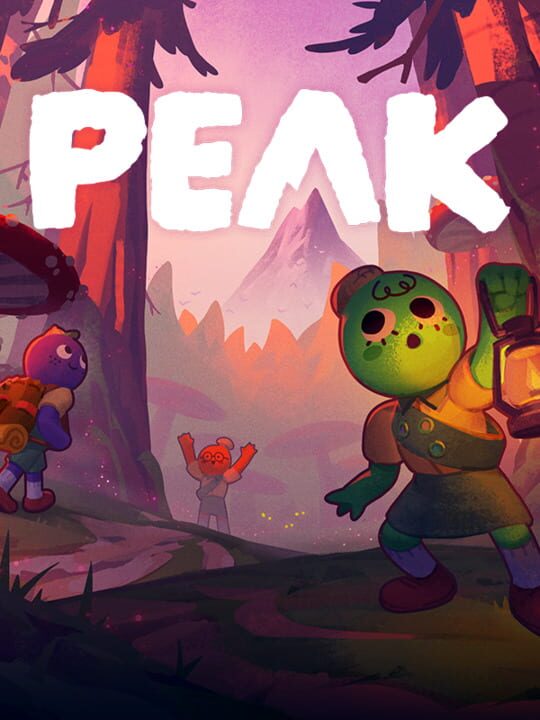
▲ Official Cover Art (Source: IGDB)
To understand the friction, we have to look at the sheer scale of the game’s impact since its 2025 release. What started as a experimental project quickly snowballed into a friendslop phenomenon, capturing the attention of millions. However, that success has brought with it a community that treats the title as a permanent live-service platform rather than a discrete product.
| Feature | Details |
|---|---|
| Game Title | Peak |
| Developers | Landfall Games & Aggro Crab |
| Peak Concurrent Players | 170,000+ |
| Current Status | Active (One major update remaining in 2026) |
The Evolution of Peak Content Support
The controversy ignited during the annual Landfall Day celebrations on April 1, 2026. While most fans were enjoying the whimsical new feature that allowed players to kick one another off mountain ledges, a vocal minority expressed frustration over the perceived lack of long-term content. Landfall responded clearly, stating that they are not a live-service studio and that any update to Peak should be viewed as a bonus rather than an inherent right of the consumer.

▲ Official Artwork (Source: IGDB)
From a mechanical perspective, the developers have already over-delivered. Since launch, the game has received three major content updates, including two entirely new biomes and a suite of quality-of-life patches. For a game priced at approximately ten dollars, the return on investment for players is significantly higher than most AAA titles. The developers pointed out that in previous generations, games were released as-is, with no expectation of post-launch adjustments or additions.
Small Teams and the Burden of Viral Success
It is important to remember that Landfall and Aggro Crab are small teams, with approximately 10 employees each. When Peak sold a million copies in its first week and hit a concurrent player count of 170,000, the infrastructure of these studios was pushed to the limit. They did not have a roadmap for years of content because the game was born from a game jam mindset—it was never intended to be the next Fortnite or Destiny.
Aggro Crab has already signaled a shift in focus toward their next project, Crashout Crew, while Landfall has been busy porting titles like Haste and TABS: Pocket Edition. The pressure to deliver a new game every year while maintaining a viral hit from the previous year is a recipe for developer burnout. By being transparent about ending development this year, the studios are choosing sustainable growth over the endless treadmill of content updates that often dilutes the original vision of a game.
Despite the end of development looming, players still have a third new biome to look forward to later this year. The game currently maintains a healthy player base of 20,000 to 35,000 concurrent users, proving that the core gameplay loop remains satisfying even without weekly cosmetic drops. You can read more about the studio’s philosophy in the official report on IGN.
Pulse Gaming Perspective: The Peak Entitlement Crisis
The backlash against Landfall highlights a dangerous trend where gamers mistake a one-time purchase for a lifetime subscription to a developer’s labor. Peak is a complete experience, and demanding infinite biomes for a ten-dollar entry fee ignores the reality of indie production cycles. We should celebrate studios that know when a project is finished rather than those that string players along with hollow battle passes.
As we move deeper into 2026, the conversation surrounding Peak will likely serve as a case study for other indie developers. The industry is reaching a tipping point where the ‘Live Service’ label is being forced upon games that were never designed to carry it. Support for the developers’ right to move on is essential if we want to see new, innovative titles like Crashout Crew in the future. Read more on Pulse Gaming.
Ultimately, the developers are right to set boundaries. If a game provides dozens of hours of entertainment for the price of a fast-food meal, the transaction is more than fair. Expecting a small indie team to act like a 500-person live-service operation is not just unrealistic; it is detrimental to the creativity that made the game a hit in the first place.
Final Pulse Score: 8.5 / 10