
Call of Duty players have spent years honing the exact spatial awareness and rapid-fire decision-making skills that the Federal Aviation Administration (FAA) now desperately needs. In a bold move to bridge a massive staffing gap, the agency is pivoting its recruitment strategy to target the gaming community directly. The push acknowledges that the same twitch reflexes and high-pressure communication used in search-and-destroy matches translate perfectly to managing real-world airspace.
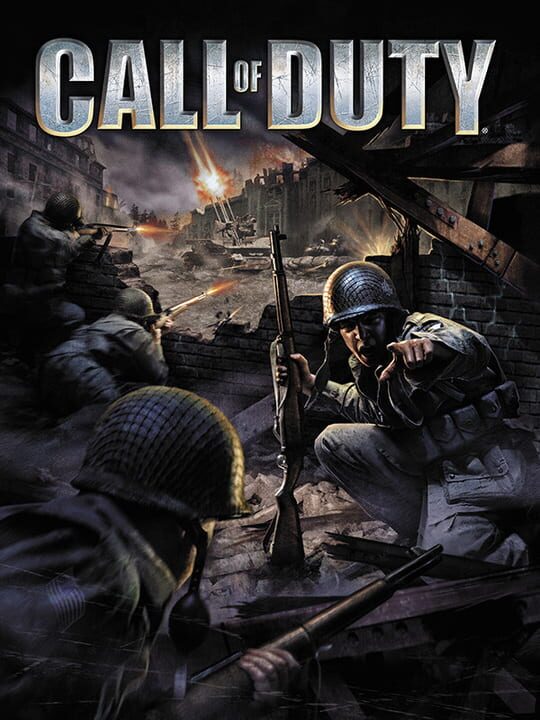
▲ Official Cover Art (Source: IGDB)
The current situation in the skies is reaching a critical point, with thousands of positions remaining vacant while flight delays mount. By leveraging the cognitive load management skills familiar to any high-level player, the government hopes to find applicants who can handle the intensity of the tower. This isn’t just about finding people who like screens; it is about finding individuals who have spent thousands of hours in high-stakes digital environments where a single mistake results in a ‘game over’ state.
| Metric | Details |
|---|---|
| Primary Skill Target | High-speed spatial awareness and multitasking |
| Hiring Window Opens | April 17, 2026 |
| Total Staffing Target | 14,663 positions |
| Salary Potential | Six-figure starting brackets |
Why the Call of Duty Meta Translates to the Control Tower
To be successful in air traffic control, an applicant must be able to visualize a complex, three-dimensional environment while processing constant audio feedback. This is precisely what happens during a competitive round of Call of Duty, where players must track enemy positions, objective timers, and teammate callouts simultaneously. Transportation Secretary Sean Duffy emphasized that this gaming demographic possesses the ‘hard skills’ required to excel in the academy, which has historically been one of the most difficult training programs in the country.
Data from a 2024 internal FAA poll supports this unconventional hiring strategy, revealing an overwhelming correlation between success in the academy and gaming experience. Out of 250 recent graduates, a staggering 248 identified as gamers, suggesting that the ‘gamer brain’ is naturally wired for the specific stressors of air traffic management. This high success rate is a major reason why the new ad campaign explicitly features video game footage and sound effects familiar to any console enthusiast.
The Controversy of Gamified Recruitment Tactics

▲ Official Artwork (Source: IGDB)
While the strategy makes sense from a skill perspective, the execution has raised eyebrows across the industry. The FAA’s recruitment video utilizes sound effects from the Xbox One and visual elements that seem to borrow heavily from existing IPs without clear authorization. This trend of utilizing gaming imagery is not new for the current administration, which previously faced backlash for using Call of Duty footage in clips showcasing military actions in Iran. Furthermore, The Pokemon Company recently pushed back against the unauthorized use of their characters in social media posts regarding ICE operations.
Despite these legal gray areas, the demand for new blood in the control towers is undeniable. There are currently over 11,000 controllers in the US, but the shortage remains severe as thousands of roles remain unfilled. For the Call of Duty veteran looking to pivot their hobby into a career, this represents a unique opportunity to enter a high-paying field that respects the mechanical skills developed through years of competitive play.
The hiring window opening on April 17 is extremely competitive, with only 8,000 applicants being accepted into the initial pool. Those who have mastered the art of managing complex UI overlays and intense communications will likely have a significant edge. As the gaming world and real-world infrastructure continue to collide, the prestige of being a ‘pro gamer’ might finally carry weight on a federal application.
Pulse Gaming Perspective: The Call of Duty Pipeline is Real
For decades, we have been told gaming is a waste of time, but the FAA’s pivot proves that the mental architecture required to play Call of Duty at a high level is a elite-tier professional asset. If you can handle a lobby full of screaming teenagers while maintaining a positive K/D ratio, managing the landing patterns of commercial airliners might actually be your calling.
With the FAA looking to modernize its workforce, the integration of gaming culture into federal recruitment is more than just a gimmick—it is a necessity for survival in a tech-driven world. Whether the administration secures the proper licenses for their promotional materials or not, the message is clear: your gaming hours are now a resume builder.
Final Pulse Score: 8.5 / 10